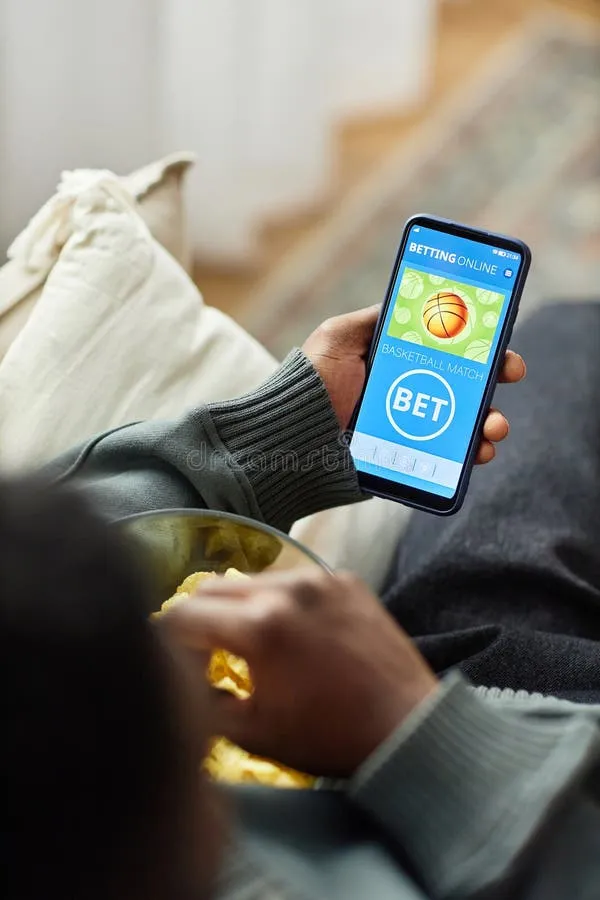
The No-Bet Season: What Happened When I Only Wagered on Games I Actually Believed In

Photo: plindberg, CC BY 2.0, via Wikimedia Commons
Somewhere around Week 4 of last NFL season, I placed a bet I couldn't explain if you woke me up at 3 a.m. and demanded a reason. Titans minus the points on the road. I had watched zero Titans football. I couldn't have named three of their defensive starters. I bet them because the game was on, the app was open, and my thumb had nothing better to do.
That bet lost, obviously. But the loss wasn't the problem. The problem was the realization that followed: I had no idea how many of my bets were like that one. Placed on autopilot. Funded by boredom. Bet against myself before the kickoff even happened.
So I ran an experiment. For the rest of the season, I would only place bets I genuinely believed in. Not bets the algorithm suggested. Not bets a group chat talked me into. Not bets to make a Sunday more interesting. If my gut said "meh," the answer was no — even when the no felt expensive.
Here's what happened.
The Count That Hurt
The first thing I learned is that most of my betting had nothing to do with conviction. In Week 5, under the old system, I probably would've fired on eight or nine games. Under the new rules? I bet two. One was a divisional dog getting a bunch of points at home in bad weather — a spot I'd have bet with my own money even if betting didn't exist as a concept. The other was a total I'd been tracking since Tuesday.
Two bets. A whole Sunday of football, and I mostly just... watched it.
And here's the thing nobody tells you: watching football without a stake in every single game is fantastic. I know, I know — heresy. But there's a version of fandom we've all quietly lost, where you watch the late window because the game is good, not because you need a Saints field goal to salvage a six-leg parlay. I reconnected with it like an old friend.
The Boredom Tax Is Real
Let's talk about what I'm calling the boredom tax, because I think most American bettors pay it every single weekend without realizing.
It's the Tuesday night MAC game you bet because there was nothing else on. It's the third-period NHL total you threw a twenty at because your cash-out had already settled and the app sent you a push notification with a shiny boost. Every one of those bets carries a hidden fee: it normalizes action for action's sake, and it trains you to treat your bankroll like a snack drawer instead of a budget.
I audited my old bet history — every wager from the previous season, sorted by my honest memory of why I placed it. Roughly 60% fell into the "why did I even do this" bucket. That bucket, historically, bled money at a rate that would make a casino blush. My conviction bets? Slightly profitable. Not print-your-own-money profitable, but the gap between the two buckets was embarrassing.
The boredom tax wasn't a rounding error. It was the whole bill.
Saying No Feels Like Losing (Until It Doesn't)
I won't pretend the discipline came easy. There were Sundays when I sat out games I'd normally have hit, and it stung — especially when one of my passed bets cashed comfortably and the group chat made sure I knew about it.
But here's the mental trick that got me through: a passed bet that wins doesn't cost you a dime. You were never owed that money. The only bets that can hurt you are the ones you actually place. Once that clicked, the FOMO lost most of its teeth.
And the wins hit different, too. When you only bet games you truly believe in, every ticket feels like a statement instead of a lottery scratcher. I cared more about each game. I watched more intently. I remembered why I placed the bet, which made the losses instructive instead of just annoying. That's the part the platforms will never advertise: conviction is a feature, not a restriction.
The 'Up2U' Part Actually Means Something
Look, the whole pitch of a place like Up2U Bet — the name, the brand, the whole vibe — is that the bet is up to you. Your odds, your way, every day. But I think most of us read "bet your way" as "bet whenever the app is open." The experiment taught me the phrase means something sharper: your way means your read, your conviction, your actual opinion about what's going to happen.
If you don't have an opinion, the honest answer isn't a smaller bet. It's no bet.
By season's end, I'd placed fewer than a third of my usual volume. My bankroll was up — modestly, not miraculously — but the bigger win was that I stopped dreading my own bet history. No more scrolling through Tuesday-night garbage bets wondering who that person was and what he did with my money.
The season's over now, and I've kept the rule. One conviction bet is worth ten impulse ones, and a quiet Sunday is worth more than a chaotic one. The sportsbook will always be open. The question is whether your opinion is. When it is — bet it. When it isn't, crack a soda, put your feet up, and enjoy the game like it's 1995.
The bet's always up to you. Turns out "no" counts.