Insurance for Your Slip: The Hedge Is Either Genius or Cowardice — There's No In-Between, Apparently
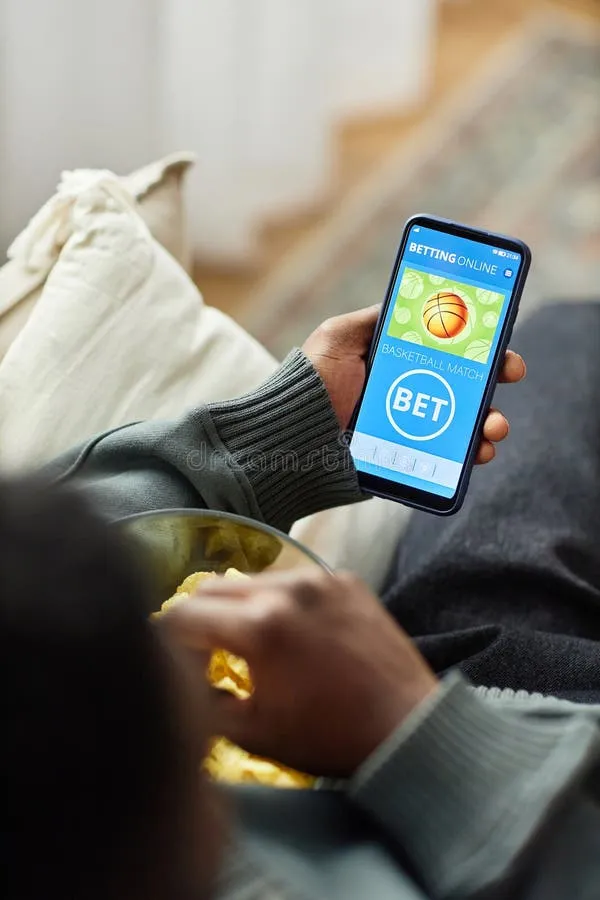
Photo: nervous man watching sports game on phone betting app, via thumbs.dreamstime.com
Every bettor has a friend with a hedge story. Mine is a guy named Dale who had the Chiefs to win the Super Bowl at 40-to-1 back in 2023, rode it all season like a prized hog, then cashed out the moment the Eagles took a lead in the fourth quarter. Kansas City won. Dale did not. He's still mad about it, and honestly, he should be — not because hedging is wrong, but because he hedged for the worst possible reason.
At Up2U Bet, we're fond of saying the odds are up to you. But here's the uncomfortable corollary: so is the panic. And nothing exposes a bettor's true personality faster than a ticket that's one leg, one quarter, or one putt away from life-changing money.
What a Hedge Actually Is (Minus the Jargon)
Strip away the casino-floor mystique and a hedge is just this: you bet on the other outcome to lock in some money no matter what happens. Future still alive in the NCAA tournament? A wager on the rival team guarantees a payout either way. Same-game parlay sitting on the final leg? A modest bet on the opposite side of that last game turns a coin flip into a guaranteed result.
It's insurance. That's the whole trick. And like all insurance, the question isn't "is it good or bad?" — it's "is the premium worth the peace of mind?" Auto insurance isn't cowardice. Neither is a hedge. But like auto insurance, hedging a $12 ticket is a sign you've lost the plot entirely.
The Two Ways Recreational Bettors Get It Wrong
The first mistake is the reflex hedge. Some guy has $50 riding on a Sunday slate, four legs have cashed, and he slams $80 on the opposite side of the Sunday night game to "guarantee" a win. Friend, you have now wagered $130 to protect $50. That's not strategy — that's paying a ransom to your own anxiety. If the guaranteed outcome leaves you with less money than a straight cash-out would've, you've built a machine that converts confidence into losses on schedule.
The second mistake is the stubborn refusal to ever hedge, worn like a badge of honor. "I'm not a coward" is not a bankroll strategy, it's a personality trait with a negative expected value. If you've got a five-figure future riding on one game and a $2,000 bet on the other side guarantees you $6,000 no matter what, turning that down isn't toughness. It's volunteering for a coin flip with your rent money. Vegas loves the guy who never hedges. He's the reason the fountains exist.
The Three-Question Test
Run every potential hedge through this filter before you touch the button:
1. Would the money actually change my life? If a losing ticket stings for an evening and a winning one buys a nice dinner, let it ride. If a losing ticket means explaining something to your spouse, hedge. Scale matters. Dale's 40-to-1 shot was life-changing money, so hedging was defensible — his crime was hedging too late and too small, locking in a fraction of what a well-timed play would've returned.
2. What's the actual math? Do the arithmetic before the emotion arrives. A hedge should either guarantee a profit, guarantee a smaller-but-real profit, or meaningfully cut your worst-case outcome. If it does none of those, you're just donating juice to the book.
3. Can I live with the version of me that watches this game? This is the question nobody asks. If you hedge and your original pick wins, will you spend the next three days doing mental math on what you "gave away"? Some people genuinely cannot tolerate that feeling. If that's you, hedge — the fee is worth it. If you're the type who can shrug and say "that was the price of the ticket," ride it. Know thyself, then bet accordingly.
The Up2U Take
Hedging isn't brave or cowardly. It's a tool, and tools don't have moral character — carpenters do. The bettor who hedges a $20 parlay out of nerves and the bettor who refuses to hedge a five-figure future out of pride are making the same mistake in mirror image: letting feelings make a math decision.
So the next time your ticket is one leg from cashing and your thumb hovers over the hedge button, ask the three questions. Then do whatever you can live with. Because at the end of the day, that's the whole brand, isn't it? Up to you, bet. Just make sure it's a decision and not a reflex.