The Oddsmaker's Blind Spots: Five Quiet Forces That Move a Line Before the Crowd Notices
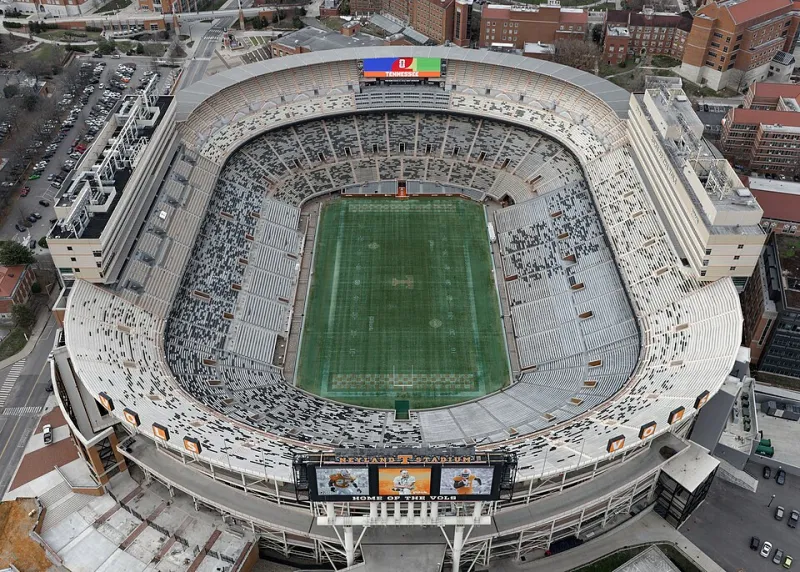
Photo: Quintin Soloviev, CC BY 4.0, via Wikimedia Commons
There's a moment in every betting week that most people never see: the line moves, quietly, hours before the public catches on. No injury, no trade, no press conference. Just a number shifting by a point and a half, and a small group of bettors quietly getting the better of it.
The oddsmakers at the big books are very good at their jobs. But lines are still set by humans weighing thousands of variables, and some variables get more attention than others. The market overrates star power and underrates logistics. Here are five angles that live in that gap — and my honest opinion is that if you learn only one of them, make it the travel one.
1. The Body Clock Problem (Altitude and Scheduling)
Teams traveling west for night games are playing on a body clock that thinks it's three hours later than the scoreboard does. Studies of West Coast home favorites in prime time have historically shown a small but persistent edge to the home team — late-game fatigue shows up right when spreads are decided. Denver is the double whammy: the altitude at Mile High saps visiting legs in the fourth quarter, and the books know it, but casual bettors keep betting the bigger name anyway. When a good team visits Denver on a short week, the number is never as high as the talent gap suggests. There's a reason for that.
2. Travel Schedules Nobody Bets On
This is my personal favorite because it requires zero talent, only a calendar. A team playing its third road game in eleven days, crossing time zones twice, is not the same team as the one that covered comfortably last Sunday. The classic setup: an East Coast team plays a Sunday night game in Seattle or LA, flies home Monday, then has to travel again for a Sunday early kickoff. Meanwhile, the opponent sat at home all week. The line might only be off by a point — but a point is the entire edge in this business.
3. Referee Tendencies: The Most Boring, Most Profitable Data Set
Nobody wants to study officials. That's exactly why you should. Some crews call penalties at dramatically different rates, and that changes game flow — more flags mean more plays, more stopping of the clock, and higher totals. Historically, games officiated by the league's tightest whistle-blowers have leaned over at a meaningful clip, while let-them-play crews suppress scoring and help unders. Betting an NFL total without knowing who's wearing the whistle is like ordering off a menu without seeing prices. The information is free. Use it.
4. The Revenge Game Narrative — Half Real, Half Hype
Here's where I'll be blunt: the 'revenge game' is mostly a media invention. Players don't run faster because they got cut in 2021. But there's a real mechanism underneath the folklore — teams facing their former coordinators and quarterbacks often have genuine schematic advantages, because the coaching staff knows exactly what the opponent likes to run. The emotion doesn't move the line; the information does. When you see a revenge narrative priced into a number, ask whether the underlying schematic edge is real. If it's just vibes, the market has already overpaid for the story.
5. Weather That Actually Matters (and Weather That Doesn't)
Wind is the only weather that truly moves totals, and it's chronically underweighted. Ten-mile-per-hour winds? Noise. Sustained gusts over 20 at an outdoor stadium, especially a stadium known for swirling lakefront or coastal wind? That's a legitimate two to three points off the total, and books are sometimes slow to adjust for venue-specific wind patterns. Snow gets all the headlines, but snow slows both teams equally. Wind punishes the passing game asymmetrically and drags scoring down. Check the forecast at the stadium, not the city airport — they are frequently not the same thing.
Think Like the Number, Not the Fan
The through-line in all five of these angles is the same: none of them involve how good a team is. They're about circumstances — logistics, conditions, tendencies, context. Fans evaluate rosters. Oddsmakers evaluate situations. The market's soft spots live where those two perspectives don't overlap.
And that's the real opinion I'll leave you with: the best number isn't found by working harder than the book. It's found by looking where nobody else bothers to look. A flight schedule, a referee assignment, a wind forecast — boring, unsexy, and quietly worth points. The angle you take? Up to you. But take one the public hasn't priced yet.